
Water & Wastewater application background
Water & Wastewater
Pump, blower and treatment controls designed around hydraulic duty, redundancy and unattended operation.
Water systems combine variable-demand pumping, remote instruments, process interlocks and high uptime expectations. The control architecture must handle normal operation, equipment rotation, low-flow periods, dry-run protection and loss of communications without creating unstable process behavior.
Discuss this application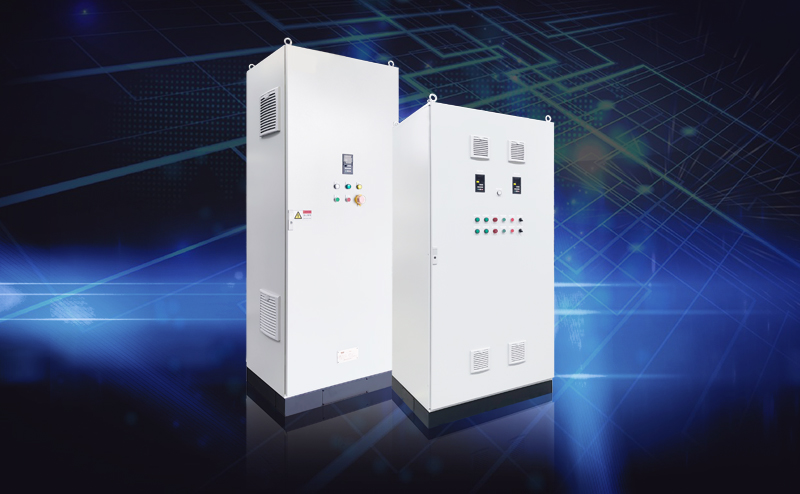
Application lens
Connect the process duty to the panel design.
The visual shows a relevant control-system reference, not a completed customer project. The actual architecture is released from the process description, load list, environment and acceptance scope.
- Humidity, condensation and corrosion control
- Outdoor solar load and ambient temperature
- Surge protection and unreliable power
Operating priorities
What this process must achieve
- Stable pressure, level or flow control
- Duty/standby rotation and automatic failover
- Energy-efficient pump and blower operation
- Remote alarms and maintainable manual modes
Typical water & wastewater loads
Equipment in scope
- Raw-water and booster pumps
- Aeration blowers
- Chemical dosing skids
- Mixers, screens and sludge equipment
Water & Wastewater control architecture
A practical system structure
Each block is adapted to the scale, availability target, site environment and owner standards of this water & wastewater application.
Drives
SINAMICS V20 or G120 selected from pump/blower torque, motor and network requirements.
Control
SIMATIC PLC with local or distributed I/O and defined fail-safe process states.
HMI
Local overview, permissives, trends, alarms, setpoints and maintenance data.
Network
PROFINET inside the panel; remote telemetry and cybersecurity treated as separate design layers.
Control functions
Water & Wastewater logic
- PID pressure, level, flow or dissolved-oxygen control
- Duty/assist/standby sequencing
- Dry-run, high-level and low-flow interlocks
- Run-hour balancing and maintenance counters
- Local/remote control and loss-of-signal fallback
- SCADA/telemetry data interface
Panel design
Application priorities
- Humidity, condensation and corrosion control
- Outdoor solar load and ambient temperature
- Surge protection and unreliable power
- VFD EMC, long motor cables and grounding
- UPS for PLC/network loads
- Clear bypass and manual operating philosophy
Design inputs
Data to provide
- Pump curves, design flow/head and motor nameplates
- P&ID and instrument list
- Duty/standby sequence
- Power supply and generator conditions
- Site environment and enclosure location
- SCADA/telemetry protocol and owner security rules
Common Water & Wastewater searches
Answers before the industry RFQ
Use these answers to prepare the process, architecture and acceptance basis. The final component and panel scope still follows the approved project data.
What information is needed to quote water & wastewater automation?
Prepare pump curves, design flow/head and motor nameplates, p&id and instrument list, duty/standby sequence, power supply and generator conditions, plus the destination, acceptance scope and required handover documents.
Which control functions matter in water & wastewater?
The normal review includes pid pressure, level, flow or dissolved-oxygen control, duty/assist/standby sequencing, dry-run, high-level and low-flow interlocks, run-hour balancing and maintenance counters. Final functions follow the approved operating and failure philosophy.
How should a control panel be designed for water & wastewater?
Panel decisions should address humidity, condensation and corrosion control, outdoor solar load and ambient temperature, surge protection and unreliable power, vfd emc, long motor cables and grounding, while preserving service access, labeling and the agreed destination requirements.
What is a typical water & wastewater control architecture?
The architecture normally combines drives, control, hmi, network. Product selection follows performance, interfaces, environment and lifecycle needs rather than the industry name alone.
What can FAT verify for a water & wastewater system?
An agreed FAT can verify the released BOM and drawings, workmanship, control power, simulated I/O, modes, alarms and selected interfaces. It cannot prove field wiring, real process performance or final site safety validation.
Water & Wastewater system scope
Select products around the process duty.
The related pages connect water & wastewater operating priorities with the control architecture, panel design and product decisions that support them.
Industry scope boundary
Honghao can review and supply the agreed automation and panel scope. Final process performance, field installation, machine risk assessment, functional-safety validation, hygienic installation and local authority acceptance remain separate unless specifically contracted and documented.
Water & Wastewater application review