
Document baseline
Freeze the approved BOM, drawings, settings, software and test revision before inspection starts.
Inspection & acceptance
Pre-agreed material, workmanship, electrical and functional checks linked to the released design and recorded deviations.
Request technical reviewA factory acceptance test is a documented workshop check against the released design and agreed test plan. It should show what was inspected, how functions were simulated, which deviations were found and whether retest evidence supports release.
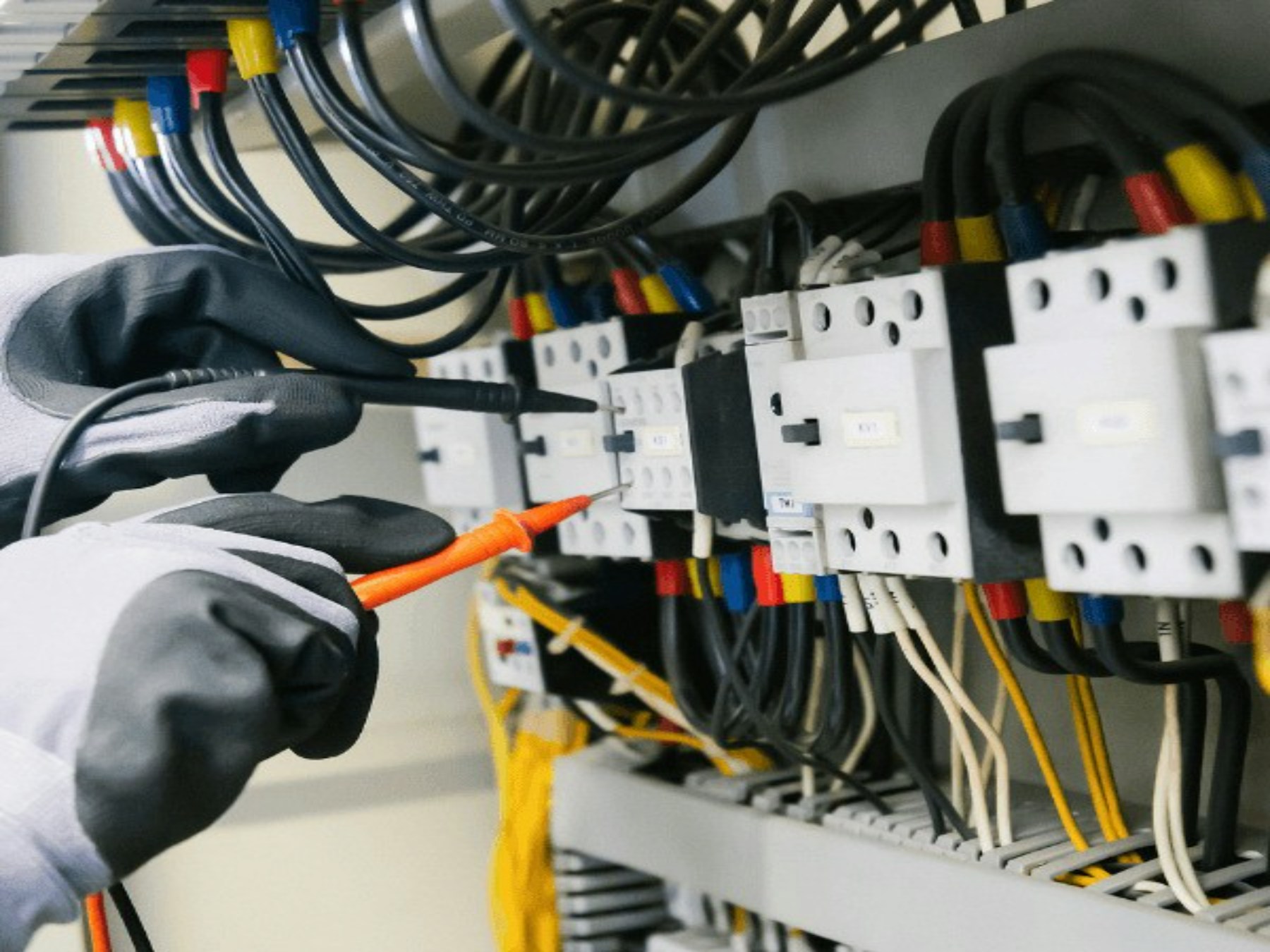
Representative inspection context. The real test cases, instruments, acceptance criteria, witnesses, deviations and retest records are project-specific.
Engineering decision framework
For fat and quality control, the quotation and technical response should address document baseline, material identity, workmanship and the remaining project boundary. Missing inputs are recorded as assumptions before selection or design release.
Freeze the approved BOM, drawings, settings, software and test revision before inspection starts.
Check complete article numbers, quantities, approved substitutes, damage and nameplate data.
Inspect mounting, clearances, wiring, labels, segregation, bonding, terminals and visible torque evidence.
Perform agreed continuity, insulation, control-voltage, phase and protective-device checks where applicable.
Test modes, I/O, interlocks, alarms, HMI, network data and drive or starter behavior within the available setup.
Record each deviation, disposition, responsible person, retest result and release approval before packing.
Planning input
The protocol should be approved before the test, not reconstructed after shipment.
Common buyer questions
These answers cover the questions buyers usually ask when evaluating fat and quality control. Final product identity, ratings and deliverables are still verified against the complete article number and agreed project data.
It normally includes document review, material identity, workmanship, agreed electrical checks, power-up, I/O simulation, function tests and recorded deviations.
No. Workshop simulations cannot prove field wiring, real motors, plant networks, process capacity, mechanical behavior or final machine safety.
Remote witnessing can be planned if the test sequence, camera views, records, time zone and approval method are agreed beforehand.
The issue should be logged, assessed, corrected or accepted by authorized parties, then retested where necessary before release.
Workshop review and FAT do not replace machine risk assessment, final site wiring verification, process commissioning, local authority acceptance or functional-safety validation unless these items are separately contracted and documented.
Define the engineering scope