
Starting method
Compare direct starting, star-delta, soft starting and variable-frequency control using torque, current, speed and process requirements.
Drive & motor control
VFD, soft-starter and fixed-speed motor-control systems developed from the motor, load, supply, process, network and destination requirements.
Request technical reviewHonghao develops drive and motor-control panels around the real operating duty. The correct result may be a VFD, soft starter or fixed-speed feeder; the method is selected after starting torque, speed-control need, overload, process continuity and maintenance requirements are understood.
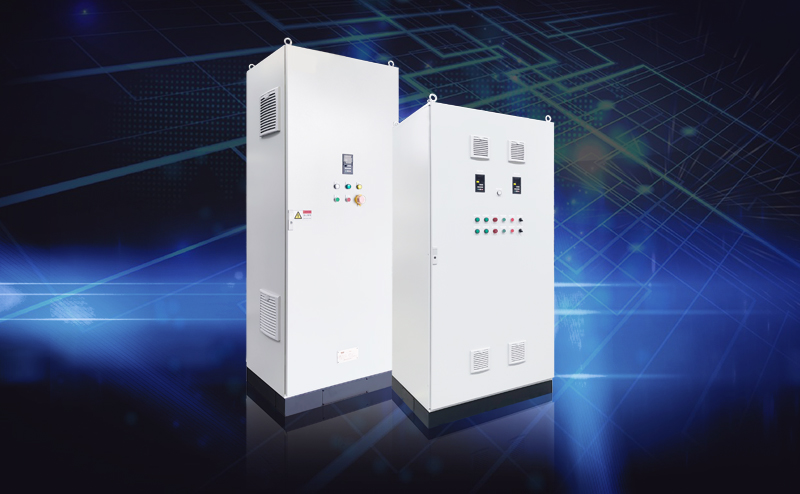
Representative panel image. Drive, protection, cooling, EMC and operating interfaces are selected from motor and load duty, not cabinet size alone.
Solutions decision framework
For drive and motor control solutions, the quotation and technical response should address starting method, power and protection, thermal and emc design and the remaining project boundary. Missing inputs are recorded as assumptions before selection or design release.
Compare direct starting, star-delta, soft starting and variable-frequency control using torque, current, speed and process requirements.
Define supply, motor current, fault information, isolation, branch protection, coordination target and bypass philosophy.
Calculate device losses, ambient and altitude effects, airflow, cable length, shielding, bonding, reactors and filters.
Agree local/remote modes, permissives, alarms, safe restart behavior, PLC data and communication ownership.
Lay out feeders, drives, terminals, cooling and service clearances for safe wiring access and future maintenance.
Link drawings and settings to witnessed checks, simulated signals, punch-list closure and the as-built document package.
Planning input
Motor kW alone is not enough to select a drive or starter system.
Common buyer questions
These answers cover the questions buyers usually ask when evaluating drive and motor control solutions. Final product identity, ratings and deliverables are still verified against the complete article number and agreed project data.
Use a soft starter when the process runs at fixed speed and only controlled starting or stopping is required. Evaluate a VFD when normal operation needs variable speed, broader torque control or process optimization.
Bypass is a process-availability decision. It requires a defined operating mode, interlocking, protection, motor suitability and clear behavior if speed control or soft starting is unavailable.
Device losses, duty, ambient temperature, altitude, enclosure rating, solar exposure, dust and maintenance conditions determine the thermal method and cabinet size.
An agreed FAT can check materials, wiring, labels, settings, control power and simulated functions. It cannot prove the real motor, mechanical load or site process.
Workshop review and FAT do not replace machine risk assessment, final site wiring verification, process commissioning, local authority acceptance or functional-safety validation unless these items are separately contracted and documented.
Define the solution scope