
Process & General Manufacturing application background
Process & General Manufacturing
Robust control for mixers, kilns, mills, compressors, auxiliaries and modular process equipment.
General manufacturing and process plants contain a mix of continuous loads, batch sequences, harsh environments and long equipment lifecycles. A practical control system must remain serviceable, tolerate environmental stress and expose enough diagnostics for maintenance teams.
Discuss this application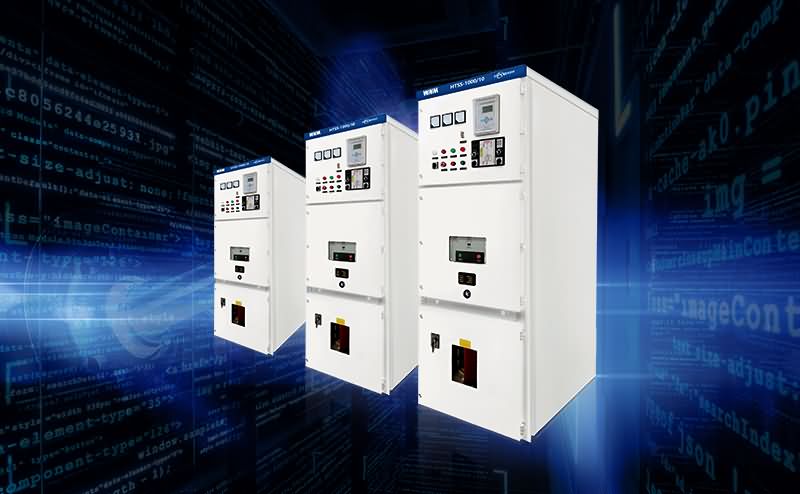
Application lens
Connect the process duty to the panel design.
The visual shows a relevant control-system reference, not a completed customer project. The actual architecture is released from the process description, load list, environment and acceptance scope.
- Dust, heat, vibration and corrosion
- High fault levels and protection coordination
- Drive harmonics and motor cable distance
Operating priorities
What this process must achieve
- High equipment availability
- Controlled start/stop sequencing
- Maintainable spare-parts strategy
- Clear interfaces with plant DCS/SCADA
Typical process & general manufacturing loads
Equipment in scope
- Mixers, mills and crushers
- Kiln and furnace auxiliaries
- Compressors, pumps and fans
- Process skids and material feeders
Process & General Manufacturing control architecture
A practical system structure
Each block is adapted to the scale, availability target, site environment and owner standards of this process & general manufacturing application.
Motor control
SIRIUS feeders, 3RW soft starters and SINAMICS drives selected by load duty.
Controller
S7-1500 with distributed ET 200 I/O for larger modular systems.
Network
Managed industrial Ethernet with plant-interface and remote-cabinet definition.
Power
Robust 24 V architecture with branch selectivity and UPS for critical controls.
Control functions
Process & General Manufacturing logic
- Permissive and interlock sequencing
- Load sharing and equipment rotation
- Analog-loop and PID control
- Alarm prioritization and first-out indication
- Run-hour and condition data
- Plant system handshake
Panel design
Application priorities
- Dust, heat, vibration and corrosion
- High fault levels and protection coordination
- Drive harmonics and motor cable distance
- Remote I/O cabinet environment
- Maintenance access and spare feeders
- Plant permit and shutdown procedures
Design inputs
Data to provide
- Motor/load schedule
- P&ID and cause/effect matrix
- Site supply and fault level
- Ambient and hazardous-area boundaries
- Plant DCS/SCADA interface
- Required availability and maintenance philosophy
Common Process & General Manufacturing searches
Answers before the industry RFQ
Use these answers to prepare the process, architecture and acceptance basis. The final component and panel scope still follows the approved project data.
What information is needed to quote process & general manufacturing automation?
Prepare motor/load schedule, p&id and cause/effect matrix, site supply and fault level, ambient and hazardous-area boundaries, plus the destination, acceptance scope and required handover documents.
Which control functions matter in process & general manufacturing?
The normal review includes permissive and interlock sequencing, load sharing and equipment rotation, analog-loop and pid control, alarm prioritization and first-out indication. Final functions follow the approved operating and failure philosophy.
How should a control panel be designed for process & general manufacturing?
Panel decisions should address dust, heat, vibration and corrosion, high fault levels and protection coordination, drive harmonics and motor cable distance, remote i/o cabinet environment, while preserving service access, labeling and the agreed destination requirements.
What is a typical process & general manufacturing control architecture?
The architecture normally combines motor control, controller, network, power. Product selection follows performance, interfaces, environment and lifecycle needs rather than the industry name alone.
What can FAT verify for a process & general manufacturing system?
An agreed FAT can verify the released BOM and drawings, workmanship, control power, simulated I/O, modes, alarms and selected interfaces. It cannot prove field wiring, real process performance or final site safety validation.
Process & General Manufacturing system scope
Select products around the process duty.
The related pages connect process & general manufacturing operating priorities with the control architecture, panel design and product decisions that support them.
Industry scope boundary
Honghao can review and supply the agreed automation and panel scope. Final process performance, field installation, machine risk assessment, functional-safety validation, hygienic installation and local authority acceptance remain separate unless specifically contracted and documented.
Process & General Manufacturing application review