
Food & Beverage application background
Food & Beverage
Process and packaging controls that account for recipe integrity, washdown zones and production traceability.
Food and beverage automation combines hygienic process areas, recipe-driven operation, high production availability and strict change control. Control panels may be outside washdown zones while field devices and operator interfaces face cleaning chemicals, moisture and temperature swings.
Discuss this application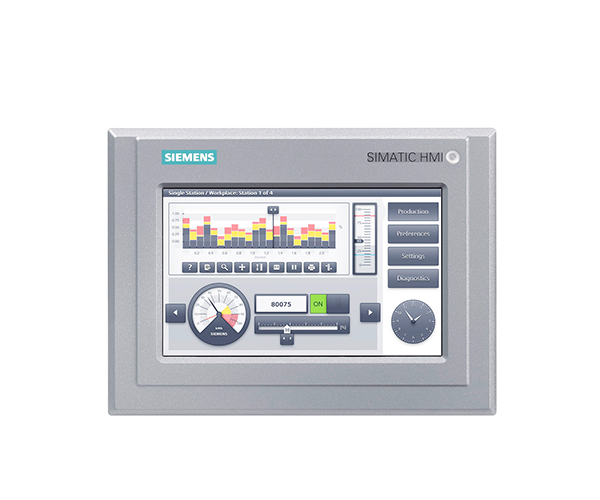
Application lens
Connect the process duty to the panel design.
The visual shows a relevant control-system reference, not a completed customer project. The actual architecture is released from the process description, load list, environment and acceptance scope.
- Hygienic-zone boundary and enclosure material
- Washdown/IP requirements
- Condensation and temperature control
Operating priorities
What this process must achieve
- Repeatable recipes and batch steps
- Controlled cleaning and production modes
- Fast recovery without losing traceability
- Appropriate materials and protection for the installation zone
Typical food & beverage loads
Equipment in scope
- Pumps, mixers and agitators
- Conveyors and packaging machines
- Heating/cooling utilities
- Dosing and filling equipment
Food & Beverage control architecture
A practical system structure
Each block is adapted to the scale, availability target, site environment and owner standards of this food & beverage application.
Automation
SIMATIC PLC architecture sized from process sequences, packaging interfaces and data requirements.
Operator interface
Choose the visualization platform separately from the installation hardware: Unified Panels for the HMI application, with suitable HMI/IPC PRO or INOX hardware where the hygienic zone requires it.
Drives
SINAMICS selected with motor, washdown location and control method in mind.
Data
Recipe, report and audit requirements defined with the owner before software design.
Control functions
Food & Beverage logic
- Recipe and setpoint management
- Sequence and phase control
- CIP permissives and valve/pump interlocks
- Batch and production reporting
- User roles and audit options where required
- Temperature, flow, pressure and level control
Panel design
Application priorities
- Hygienic-zone boundary and enclosure material
- Washdown/IP requirements
- Condensation and temperature control
- Food-safe field installation responsibility
- Recipe and user-access governance
- Backup and restore procedure
Design inputs
Data to provide
- Process description/P&ID
- Cleaning regime and installation zones
- Recipe and batch requirements
- Instrument and motor schedule
- Reporting/audit expectations
- Applicable customer and destination standards
Common Food & Beverage searches
Answers before the industry RFQ
Use these answers to prepare the process, architecture and acceptance basis. The final component and panel scope still follows the approved project data.
What information is needed to quote food & beverage automation?
Prepare process description/p&id, cleaning regime and installation zones, recipe and batch requirements, instrument and motor schedule, plus the destination, acceptance scope and required handover documents.
Which control functions matter in food & beverage?
The normal review includes recipe and setpoint management, sequence and phase control, cip permissives and valve/pump interlocks, batch and production reporting. Final functions follow the approved operating and failure philosophy.
How should a control panel be designed for food & beverage?
Panel decisions should address hygienic-zone boundary and enclosure material, washdown/ip requirements, condensation and temperature control, food-safe field installation responsibility, while preserving service access, labeling and the agreed destination requirements.
What is a typical food & beverage control architecture?
The architecture normally combines automation, operator interface, drives, data. Product selection follows performance, interfaces, environment and lifecycle needs rather than the industry name alone.
What can FAT verify for a food & beverage system?
An agreed FAT can verify the released BOM and drawings, workmanship, control power, simulated I/O, modes, alarms and selected interfaces. It cannot prove field wiring, real process performance or final site safety validation.
Food & Beverage system scope
Select products around the process duty.
The related pages connect food & beverage operating priorities with the control architecture, panel design and product decisions that support them.
Industry scope boundary
Honghao can review and supply the agreed automation and panel scope. Final process performance, field installation, machine risk assessment, functional-safety validation, hygienic installation and local authority acceptance remain separate unless specifically contracted and documented.
Food & Beverage application review